
Parking clarity affects residents and guests
Faded markings can create confusion around resident parking, visitor areas, accessible spaces, delivery zones, and no-parking areas.
Apartment communities need clear resident parking, visitor spaces, ADA markings, fire lanes, traffic flow, loading areas, and curb visibility. This page targets apartment-specific striping intent.
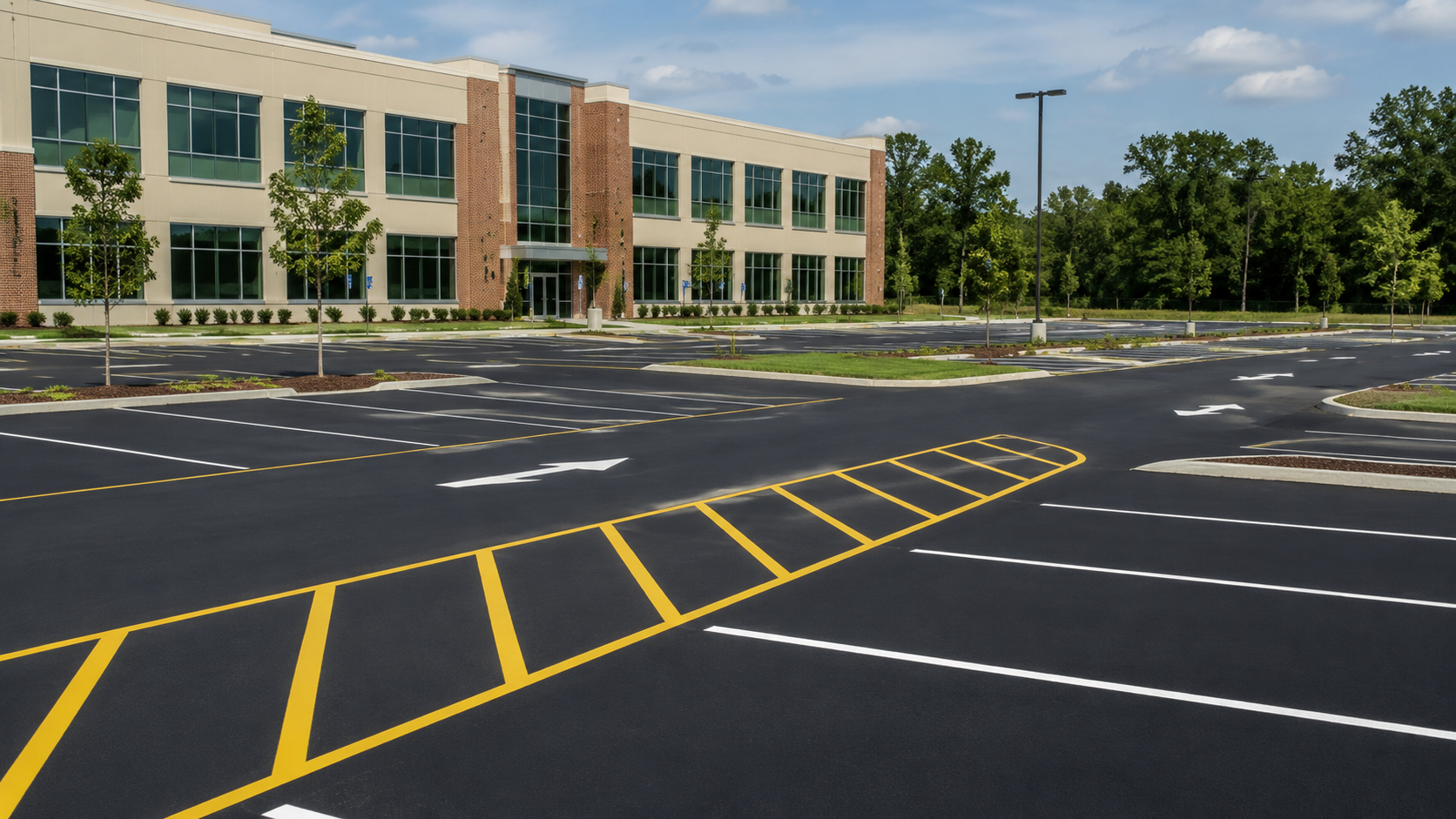
Faded markings can create confusion around resident parking, visitor areas, accessible spaces, delivery zones, and no-parking areas.
Striping can be planned around sealcoating, leasing seasons, resurfacing, inspections, or tenant turnover windows.
Apartment communities typically need striping scheduled around high-occupancy periods, renewal seasons, and sealcoating cycles. Providers can often phase work to minimize resident disruption.
Huntsville's residential growth over the past five years has kept apartment occupancy rates high across the metro area, from the older complexes near Research Park to the newer developments along the 565 corridor and in Madison. High occupancy means lots that never really empty — which means paint wears faster, fire lane markings fade without a seasonal low-use period to recover, and the visible markers that prevent tenant parking disputes and support ADA compliance stay under constant pressure. Apartment communities that maintain clear striping also reduce a specific liability risk: residents and guests who trip or are struck in poorly marked areas sometimes cite unclear markings as a contributing factor. Regular maintenance is a documented part of the risk management posture.
Reserved parking, visitor spaces, numbering, and other stencils can be requested depending on provider capability.
Phasing can be requested to reduce resident disruption, depending on property layout and scheduling availability.
Often yes, but the property should verify fire lane requirements with the applicable local authority.